


Hibiscus Tea: Benefits, Caffeine, Blood Pressure & How to Make It
What Is Hibiscus Tea?
Hibiscus tea is a vibrant herbal tea made from the dried calyces (flower petals) of the Hibiscus sabdariffa plant. Known for its deep ruby-red color and tart flavor similar to cranberries and raspberries, hibiscus tea is enjoyed both hot and cold around the world.
Many tea lovers enjoy hibiscus tea because it is naturally refreshing, rich in antioxidants, and versatile enough for iced tea, fruit blends, and cold-brew preparations.
Does Hibiscus Tea Have Caffeine?
One of the most common questions is: Does hibiscus tea have caffeine?
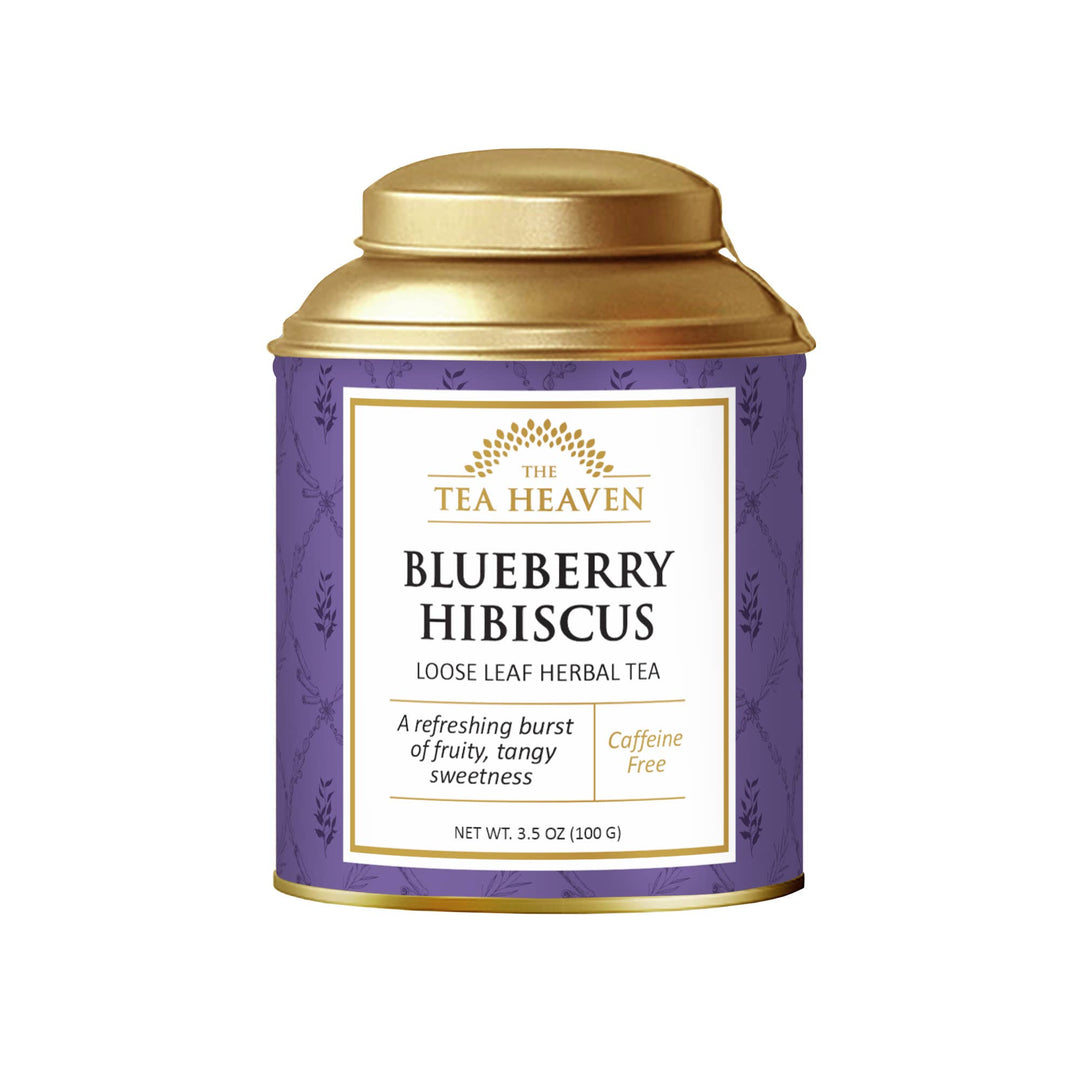
No. Hibiscus tea is naturally caffeine-free.
Because hibiscus tea is an herbal infusion rather than a traditional tea made from the Camellia sinensis plant, it contains no caffeine. This makes it an excellent choice for:
-
Evening enjoyment
-
Children and teens
-
People sensitive to caffeine
-
Those reducing coffee or black tea consumption
-
Relaxing iced tea beverages
If you are looking for a refreshing drink without the jitters, hibiscus tea is naturally caffeine-free and can be enjoyed any time of day.
Hibiscus Tea Health Benefits
Rich in Antioxidants
Hibiscus flowers contain naturally occurring antioxidants, including anthocyanins, which give the tea its beautiful red color. Antioxidants help protect cells from oxidative stress caused by free radicals.
Supports Heart Health
Many people drink hibiscus tea for blood pressure support and overall cardiovascular wellness. Research suggests that hibiscus may help support healthy blood pressure levels already within a normal range.
May Support Healthy Blood Pressure
One of the most studied benefits of hibiscus tea is its potential effect on blood pressure. Some studies suggest that regular consumption of hibiscus tea may help support healthy blood pressure levels. However, individuals taking blood pressure medications should consult their healthcare provider before adding hibiscus tea to their daily routine.
Supports Hydration
Because it is caffeine-free, hibiscus tea can be a flavorful way to increase daily fluid intake.
Naturally Low Calorie
Unsweetened hibiscus tea contains virtually no calories, making it a popular choice for those seeking healthier beverage alternatives.
Hibiscus Tea Flower
Hibiscus tea comes from the Hibiscus sabdariffa plant, often called roselle. After flowering, the bright red calyces are harvested, dried, and used to create herbal teas.


The dried flower material produces a naturally tart infusion with beautiful ruby-red color and fruity flavor notes.
Is Hibiscus Tea Good for You?
Many customers ask: "Hibiscus tea good for what?"
Popular reasons people enjoy hibiscus tea include:
-
Antioxidant support
-
Heart health support
-
Blood pressure wellness
-
Hydration
-
Refreshing iced tea
-
Caffeine-free beverage alternative
-
Naturally fruity flavor without added sugar
Hibiscus Tea and Pregnancy
Can You Drink Hibiscus Tea During Pregnancy?
Pregnant or nursing women should consult a healthcare professional before consuming hibiscus tea.
Some sources recommend caution because hibiscus may affect hormone levels or uterine activity. For this reason, many herbal tea suppliers include the following precaution:
Pregnancy and Lactation: Do not use during pregnancy or lactation without the advice of a healthcare practitioner.
If you are pregnant, trying to become pregnant, or breastfeeding, always seek personalized medical advice before using herbal products.
How to Make Hibiscus Tea
Hot Hibiscus Tea
-
Bring fresh water to a boil.
-
Add 1 teaspoon dried hibiscus flowers per 8 ounces of water.
-
Steep for 5–10 minutes.
-
Strain and serve.
-
Sweeten with honey if desired.
Iced Hibiscus Tea
-
Brew hibiscus tea double strength.
-
Pour over ice.
-
Add fresh fruit such as pineapple, orange, or berries.
-
Refrigerate until chilled.
Hibiscus Tea Cold Brew
How to Make Cold Brew Hibiscus Tea
Cold brewing creates a smooth, refreshing tea perfect for warm weather.
-
Place one hibiscus tea pouch or 2 tablespoons dried hibiscus flowers into a quart-sized pitcher.
-
Fill with 32 ounces of cool water.
-
Steep for at least 10–15 minutes.
-
Refrigerate and serve over ice.
For enhanced flavor, try tropical combinations such as:
-
Hibiscus Pineapple Coconut
-
Hibiscus Mango
-
Hibiscus Blackberry
-
Hibiscus Sangria Spice
Cold brew hibiscus tea is ideal for picnics, brunches, outdoor gatherings, and everyday hydration.
Hibiscus Tea Bags
Hibiscus tea bags offer a convenient way to enjoy this herbal favorite at home, work, or while traveling.
Benefits of hibiscus tea bags include:
-
Easy preparation
-
Consistent flavor
-
No measuring required
-
Great for hot or iced tea
-
Convenient cold brewing
Look for blends that combine hibiscus with fruits such as pineapple, coconut, berries, citrus, or tropical flavors for a naturally refreshing beverage.
Frequently Asked Questions
Does hibiscus tea have caffeine?
No. Hibiscus tea is naturally caffeine free.
Is hibiscus tea good for high blood pressure?
Some studies suggest hibiscus may help support healthy blood pressure levels. Consult your healthcare provider if you take blood pressure medications.
What does hibiscus tea taste like?
Hibiscus tea has a tart, fruity flavor often compared to that of cranberries, raspberries, and pomegranates.
Can hibiscus tea be cold-brewed?
Yes. Hibiscus tea is one of the easiest herbal teas to cold brew and develops a smooth, refreshing flavor.
How do you make hibiscus tea?
Steep dried hibiscus flowers in hot water for 5–10 minutes, or cold-brew in water for 10–15 minutes.